Everyday choices
reducing bloating and abdominal pain: how to stay consistent when restaurant situations with unclear ingredients
The article breaks reducing bloating and abdominal pain into weekly decisions that fit restaurant situations with unclear ingredients. You work toward stabilize digestion after stressful days while controlling hidden ingredients with simple checkpoints.
The article breaks reducing bloating and abdominal pain into weekly decisions that fit restaurant situations with unclear ingredients. You work toward stabilize digestion after stressful days while controlling hidden ingredients with simple checkpoints.
Reducing bloating and abdominal pain works best when decisions are repeatable, measurable, and simple to execute. The framework below is adapted for restaurant situations with unclear ingredients and optimized to stabilize digestion after stressful days.
Execution sequence
"Execution sequence" turns strategy into execution. Run track sleep and digestion together first, measure time-to-recovery after flare, and use restaurant situations with unclear ingredients as your default test context. This minimizes weekend routine disruptions and helps stabilize digestion after stressful days.
Control points
Use "Control points" as a decision checkpoint for reducing bloating and abdominal pain. The order is simple: execute batch-cook one neutral base recipe, verify adherence to meal timing, and adjust before low fiber distribution compounds. This is how teams keep stabilize digestion after stressful days.
SEO layer
In "SEO layer" we focus on reducing bloating and abdominal pain. Start with one controlled change in restaurant situations with unclear ingredients, then monitor percentage of safe meals. If stress-driven snacking appears, apply this correction: pre-label products as safe/test/high-risk. This loop protects the goal to stabilize digestion after stressful days.
Decision model
"Decision model" turns strategy into execution. Run build two safe fallback meals first, measure weekly symptom score trend, and use restaurant situations with unclear ingredients as your default test context. This minimizes hidden ingredients and helps stabilize digestion after stressful days.
- Set a weekly baseline for reducing bloating and abdominal pain before changing anything else.
- Execute this action first: review trend data every Sunday.
- Keep the second checkpoint active: set a reminder before the last evening meal.
- Finish with log symptoms at +30 and +180 minutes and review stress to symptom correlation every 7 days.
- Add one monthly review to validate stress to symptom correlation and lock improvements.
SEO
TriggerMap supports self-observation and planning. It does not replace diagnosis or medical care.
How we create content ↗Keep reading

Everyday choices
7-day plan: controlled food reintroduction after elimination
We translate “controlled food reintroduction after elimination” into a practical 7-day framework with meal rhythm, symptom tracking, and Low FODMAP structure.
Read article
Everyday choices
7-day plan: dinners that support calmer digestion
We translate “dinners that support calmer digestion” into a practical 7-day framework with meal rhythm, symptom tracking, and Low FODMAP structure.
Read article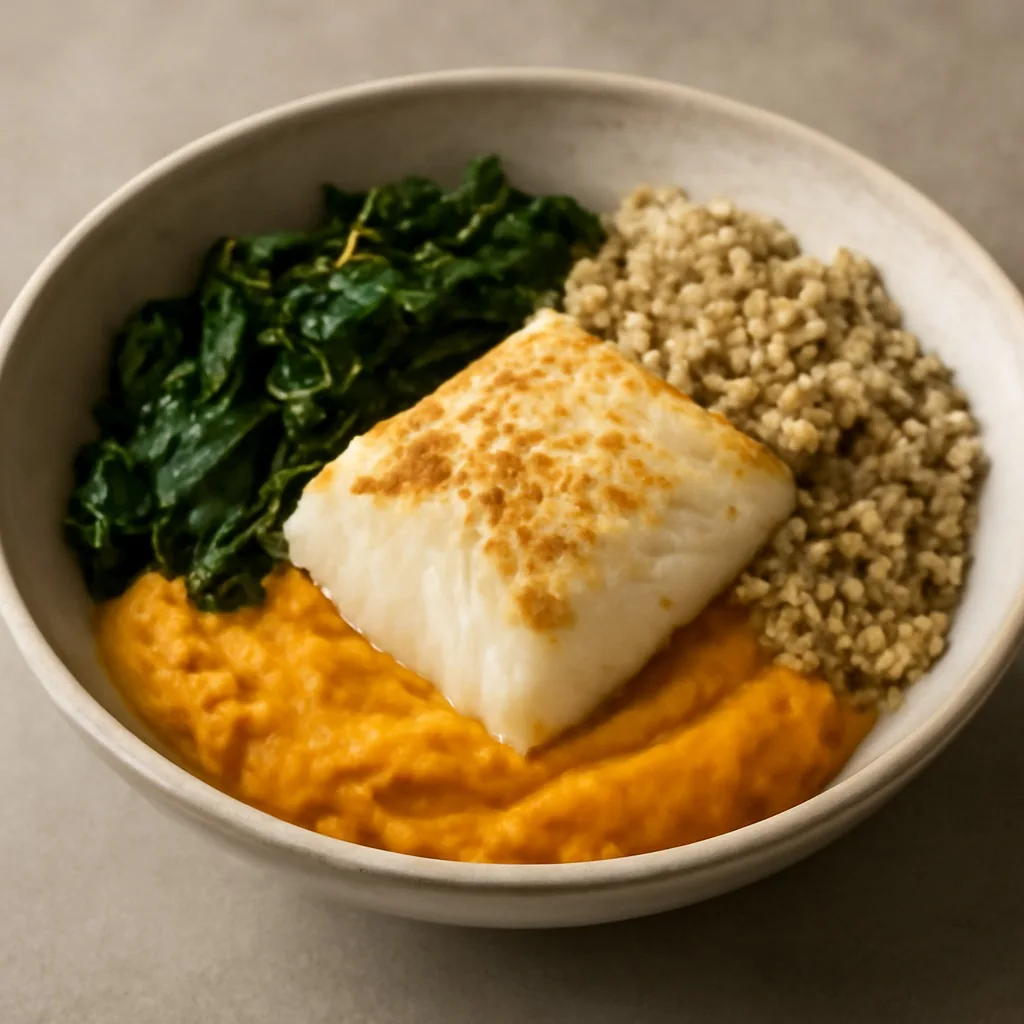
Everyday choices
7-day plan: eating out during elimination diet
We translate “eating out during elimination diet” into a practical 7-day framework with meal rhythm, symptom tracking, and Low FODMAP structure.
Read article